
Garvaghy Road Orange Order parade dispute
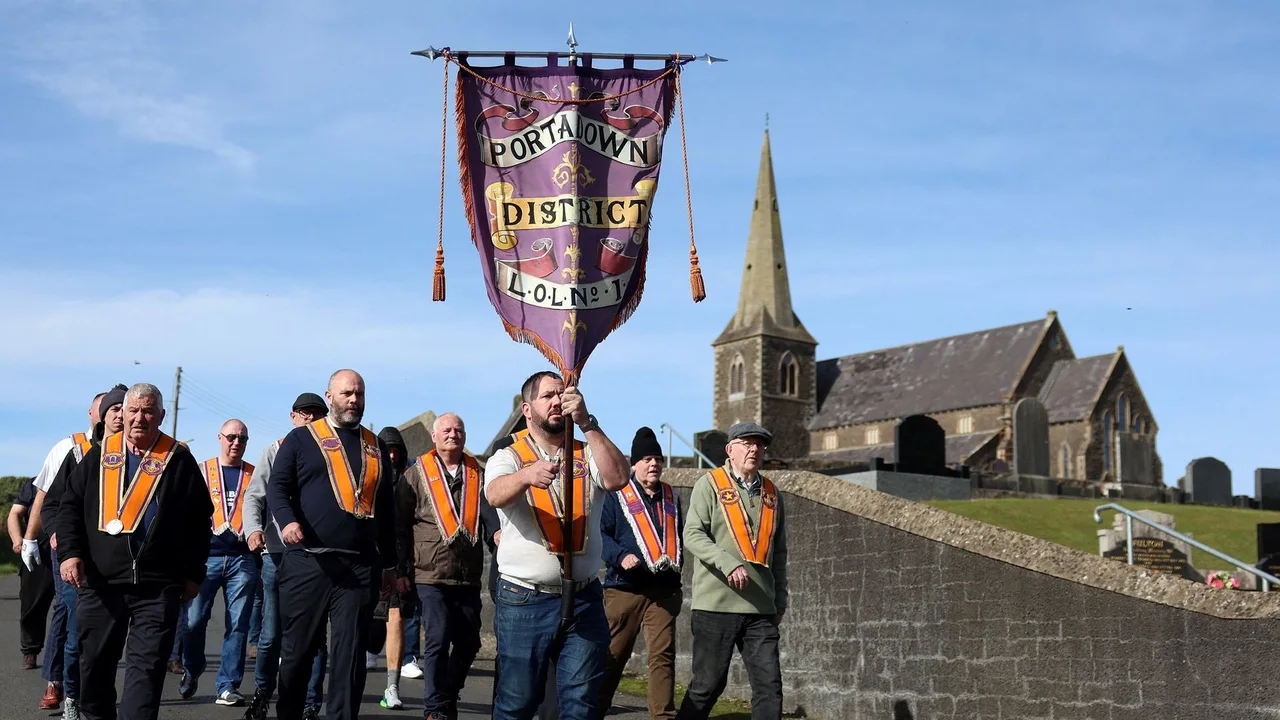
A disputed Orange Order parade in Portadown, Northern Ireland, involving the mainly Catholic and nationalist Garvaghy Road area. The march, which in the 1990s sparked serious disorder, was blocked by protesters on 27 September after being approved to go ahead for the first time in nearly 30 years. Talks between main players have not resolved the dispute, and the standoff continues.
Last known state
An Orange Order parade approved to march along Portadown's Garvaghy Road for the first time in nearly 30 years was blocked by protesters on 27 September and did not take place. The protesters have since dispersed, but talks involving Northern Ireland Secretary Sir Chris Bryant have not resolved the dispute and the standoff continues.
4 sources · 7 reports · Last updated 29 Sept 2026
Latest development
The blocked Orange Order parade did not take place on 27 September, protesters later dispersed, and talks involving Northern Ireland Secretary Sir Chris Bryant have so far failed to end the stalemate.
Developments
- Key development
Protesters dispersed after blocking the contentious parade.
- Key development
Northern Ireland Secretary Sir Chris Bryant held talks with both sides, but the dispute remains unresolved and a stalemate persists.
- Key development
On 27 September, protesters blocked the parade route in Portadown to prevent the Orange Order march from entering the mainly Catholic and nationalist Garvaghy Road area.
- Key development
The Orange Order was granted permission to march along Garvaghy Road after successfully appealing a ban and resolving a series of legal challenges.
Earlier coverage
- Orange Order parade dispute continues after main players hold talks A controversial march was due to take place on Sunday morning but was blocked by protesters on the mainly-nationalist Garvaghy Road.
- Northern Ireland: 2,000 protesters block disputed Portadown march Thousands of protesters blocked a road in Portadown, Northern Ireland, on 27 September, in an attempt to stop an Orange Order parade from entering the mainly Catholic and nationalist Garvaghy Road area.
- Controversial Orange Order march to go ahead for first time in nearly 30 years after late night drama The march, which in the 1990s sparked some of the most serious disorder in Northern Ireland's history, will go ahead on Sunday after a series of legal challenges.