
What the reporting adds
Netanyahu said Saturday night that he was willing to have Eisenkot become prime minister first in a rotation arrangement under a possible unity deal.
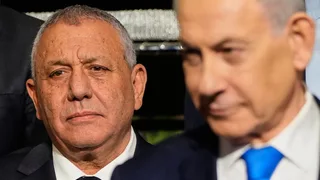
Israeli Prime Minister Benjamin Netanyahu and opposition leader Gadi Eisenkot met on Sunday morning to discuss forming a unity government, three weeks after Israel's president tasked Eisenkot with trying to form a government following inconclusive national elections. Netanyahu, under pressure, said he would give Eisenkot — the man trying to oust him — a first turn as prime minister if they formed a government together.
 NYTimes
Netanyahu said Saturday night that he was willing to have Eisenkot become prime minister first in a rotation arrangement under a possible unity deal.
NYTimes 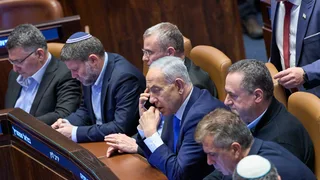 NPR
Netanyahu said Saturday night that he was willing to have Eisenkot become prime minister first in a rotation arrangement under a possible unity deal.
 BBC News
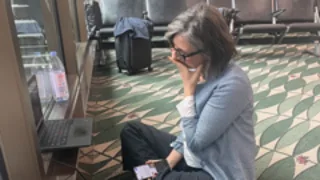
Francesca Albanese, the UN special rapporteur on the Palestinian territories, was denied entry to Costa Rica, where she was set to receive an honorary university doctorate. Costa Rican immigration authorities cited an "alert" over alleged links to terrorist acts, which Albanese disputes and has called defamatory, seeking an apology. She arrived in Mexico, where supporters waving Palestine flags cheered her.
 NPR
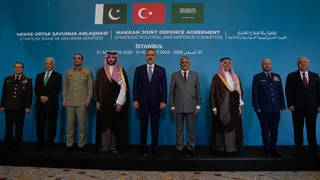
Pakistan's military announced Sunday that it is sending troops to Saudi Arabia to help strengthen the kingdom's defenses amid intensified attacks by Yemen's Iran-backed Houthis. A send-off ceremony was held for the departing troops, attended by Pakistan's defense minister and the Saudi ambassador. France 24 reported the troops deployed Saturday, as the Houthis threatened to strike Red Sea ports in response to what they said was Riyadh's attack on a port under their control.
 BBC News
Switzerland voted to ease its strict arms export rules, with amendments to weapons export legislation reportedly passing by 54% in a referendum, according to exit polls. The change would allow arms sales to 36 Western countries even if they are at war. Opponents warn the move threatens the country's neutrality and could increase the risk of Swiss-made weapons being used in conflicts.
Bring the stories you follow together in your own edition, with the latest developments in one place.