

What changed in this update
The orders come after the Supreme Court ruled June 30 that President Trump’s previous efforts to end birthright citizenship were unconstitutional.
The Trump administration is trying to restrict access to US citizenship for some people through attempts to end birth tourism and tighten other criteria.
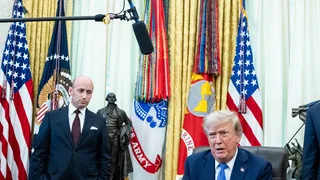 NYTimes – US
 The orders come after the Supreme Court ruled June 30 that President Trump’s previous efforts to end birthright citizenship were unconstitutional.
NYTimes – US The orders come after the Supreme Court ruled June 30 that President Trump’s previous efforts to end birthright citizenship were unconstitutional.
 BBC News – World
 The President signed two new Executive Orders after the Supreme Court rejected his previous, broader attempt to restrict birthright citizenship.
US president Donald Trump on Thursday made another attempt to curb birthright citizenship, signing an order targeting those who he said enter the country under the guise of tourism while actually intending to give birth.
The Supreme Court in June struck down President Trump's earlier executive order aimed at ending birthright citizenship.
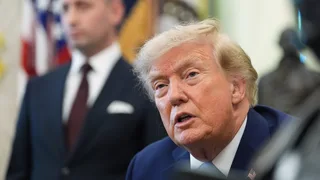 NPR – Politics
 Additional details weren't provided, but Trump said he thought his latest actions would be constitutional.
Executive orders come after supreme court rejected president’s first bid to restrict guarantee enshrined in US constitution Donald Trump on Thursday signed two executive orders that the White House said aims to restrict eligibility for birthright citizenship and ban “birth tourism”. The orders come just over a month after the United States supreme court rejected Trump’s first attempt to restrict the guarantee of bi…
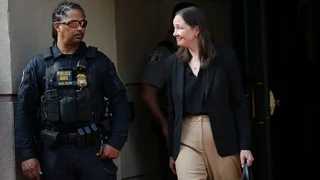 NPR – Politics
 The Trump administration accuses the former FBI director of leaking classified information a decade ago. Comey denies wrongdoing, while his lawyers argue the case is legally invalid and comes too late.
 Sky News – Front Page
 The Trump administration has brought criminal charges against former FBI Director James Comey for the third time, accusing him of disclosing classified information. The case involves allegations that Comey authorized a disclosure to The New York Times. His lawyers dismissed the prosecution as invalid and outside the time limit. The administration reportedly bypassed a grand jury in bringing the charges.
Walter Koenig, the actor best known for playing Ensign Pavel Chekov on the original "Star Trek" television series and in several films, has died at age 90. His representative confirmed he died at his home in North Hollywood. Former co-star George Takei mourned his death in a Facebook post on Monday.
A thoughtful perspective on the world’s news, delivered to your inbox when you choose email updates.